Bridgerton's old English cheat sheet as Benedict's gets branded a 'rake'
By Melody Rivera The Mirror
Dearest gentle reader, it is with great pleasure to report Bridgerton shall soon return to conclude the love story of Miss Sophie Baek and Mr. Benedict Bridgerton.
Upon the debut of the season’s first installment last month, certain members of the ton—among them Mrs. Penelope and Miss Eloise Bridgerton—were heard to title Benedict a “rake.” Though such a designation requires no explanation within polite society, it would seem some among the wider audience found themselves at a loss considering the idioms of the Regency era having long since faded from common parlance.
For those that didn’t understand this introduction, it is of “of utmost necessity” that you read on to learn the 21st century translation for the most popular phrases said in Bridgerton.
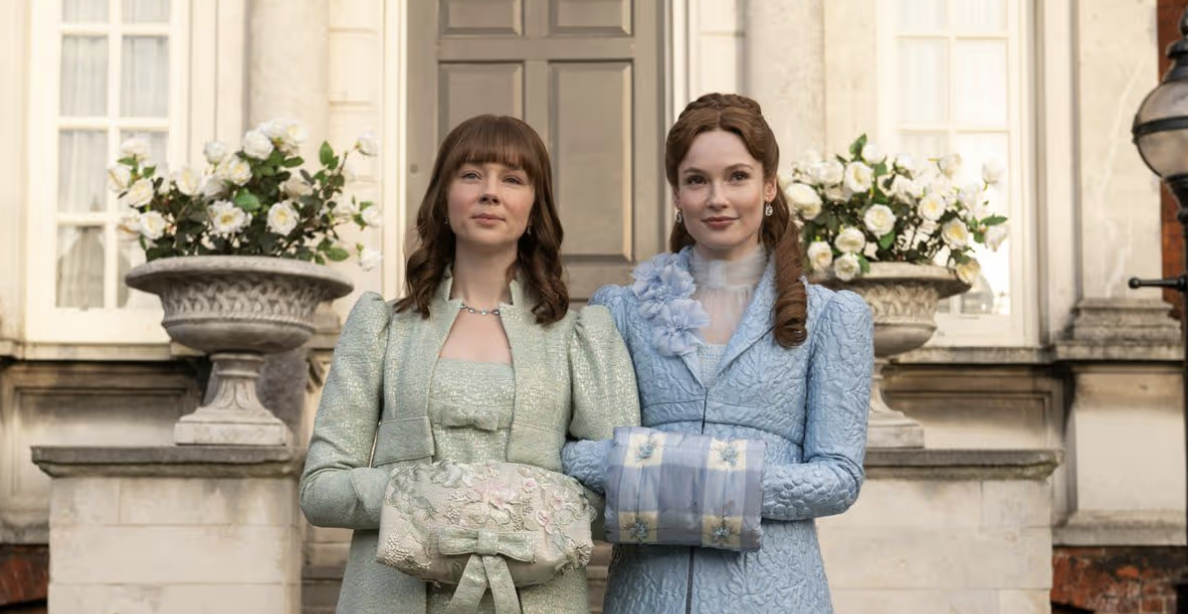
Rake- Playboy
Starting off with the title Benedict was acquired this season, a rake is known as a charming but scandalous man, usually from the upper class, who is known for his pleasurable pursuits that could involve gambling, drinking and/or uncommitted romantic conquests.
The Ton - High society
Bridgerton’s storyline follows the ton through the social season. The term describes members of the aristocracy and upper gentry who possessed wealth, titles and large households staffed by servants such as butlers, maids and chauffeurs.
Making one’s debut- Entering the dating market
By a certain age during the Regency era, every girl in the ton was required to make her debut and present herself to society as an eligible young lady ready to be wed. During the fourth season, Hyacinth Bridgerton is seen eager to make her debut.
On the shelf- Off the dating market
Contrary to her younger sister, Eloise Bridgerton is eager to stay off the marriage market and on the shelf. On the shelf referred to women who were past their prime and age when one might expect to have the opportunity to marry.
A suitable match- A guy/girl who ticks all the boxes
During the Regency era, members of the ton were advised to seek a suitable match during the social season. This would mean a man or woman had equal or improved rank, financial stability, a good reputation and proper accomplishments like languages or table manners.
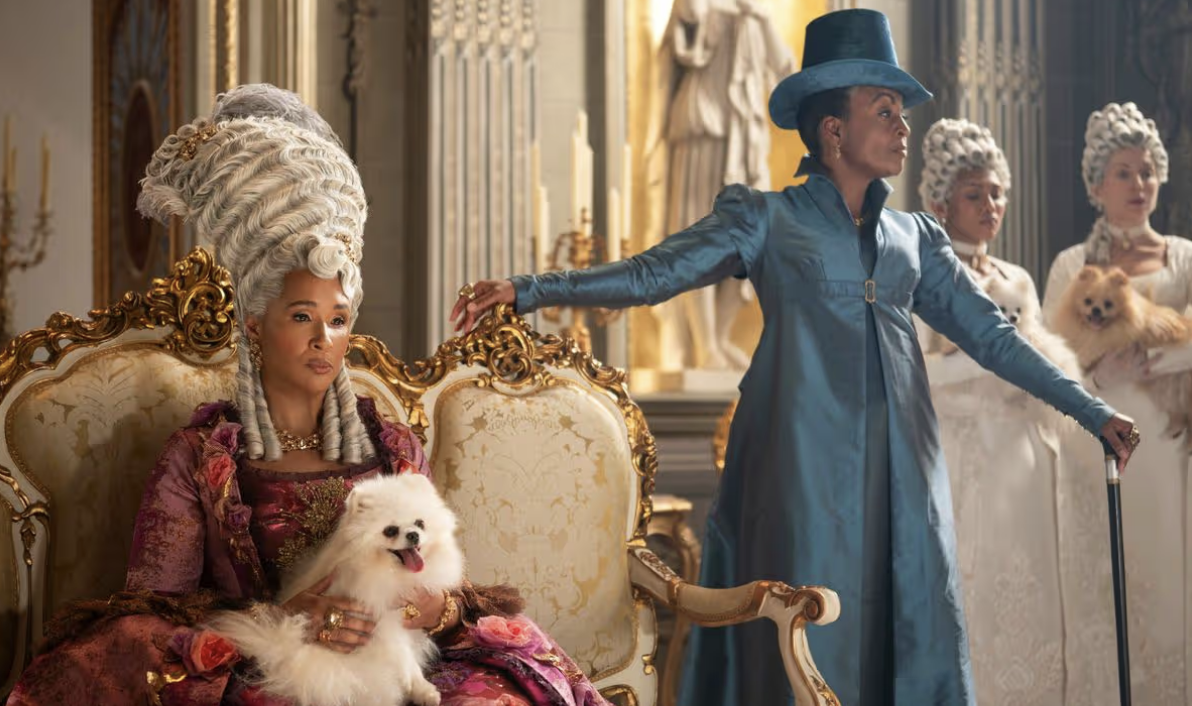
Mistress- Situationship/ Affair Partner
“Be my mistress,” the words that Benedict uttered to Sophie, upsetting the entire audience. A mistress during that time was a woman with a long-term romantic relationship with a wealthy man outside of marriage. She was financially supported by him but would not receive his name, title or social standing.
Dance card- List of dance partners
When a modern woman might say “I don’t want to dance with you,” a Regency woman would politely say, “It appears my dance card is already full.”
A dance card was a small booklet carried by women to record the names of the gentleman who had danced with them. It served several purposes like structure, organization and to know if a lady was in high demand.
Calling hours- Appropriate visiting time
During the 1810s, calling hours was considered the designated, appropriate time of day for a lady or gentleman to entertain and interact with social visitors. A visit outside of this time was considered improper and could be scandalous, which is why Violet Bridgerton’s housekeeper ordered everyone out of the house during her “evening tea” with Lord Marcus.